The best coffee bars for specialty coffee in Bruges
Where to drink real specialty coffee in Bruges: what sets it apart, which neighbourhoods have the good bars, prices, brewing methods and beans to take home.
By The Bruges Explorer — independent guide, written by the family running its own places to stay in Bruges
Bruges long had a coffee problem. In a city that runs on day tourism, a filter jug on a hot plate used to suffice. That has changed thoroughly in recent years: roasters are active in and around the city, and a string of small bars works with one-off lots, scales and a menu that lists the origin of the bean.
This guide explains what specialty coffee actually is, where to find it in Bruges, what it costs, and how to order so you get what you are looking for.
What sets specialty coffee apart
The term is not marketing but a technical agreement. Four elements determine whether coffee falls into that category.
Score and quality of the bean
Green coffee is graded by certified tasters on a scale of one hundred points. From eighty points upwards it is called specialty. That score looks at aroma, flavour, acidity, body, aftertaste and the absence of defects.
Traceability
With specialty you know where the coffee comes from: country, region, cooperative or farm, altitude, variety and processing method. The bag says, for example, Ethiopia, Guji, washed, 1,950 metres. With commodity coffee it says at most a country, or nothing at all.
Fresh roasting and a roast date
Specialty roasters put a roast date on the bag, not a best-before date. Coffee is at its best between seven and thirty days after roasting. The roast profiles are lighter than industrial coffee, so the bean's own flavour survives instead of being burnt away.
Precision in preparation
In a good bar every shot is weighed: how many grams of ground coffee go in, how many grams of liquid come out, in how many seconds. Water is filtered, the temperature sits around 92 to 94 degrees, and the grinder is adjusted several times a day depending on the humidity.
The result tastes different from what most people know: less bitter, with more acidity and fruit, and with clearly recognisable tasting notes.
Where to find good coffee in Bruges
The real specialty cluster lies in and around the centre. Three zones are worth your time.
Around the Burg and the Hoogstraat
The Oude Burg, the Hoogstraat towards Sint-Anna and the Eekhoutstraat together form the densest cluster of small specialty bars. Here you find bars that roast themselves or work with a Belgian micro-roaster, have filter coffee on the menu and sell beans by the bag.
- Typical: espresso bar with eight to twelve seats, strong focus on the coffee itself
- Price: espresso €2.50 to €3.20, cappuccino €3.50 to €4.50, filter €4 to €5.50
Around the Markt
Just off the Markt, in the Niklaas Desparsstraat and the Adriaan Willaertstraat, sit a few specialty bars, including a coffee bar in a former bank building. More touristy in location, but the coffee is serious.
- Typical: short menu, scales at the bar, bags of beans with a roast date
Jan van Eyckplein and the Academiestraat
Around the Jan van Eyckplein and in the Academiestraat you find a small specialty bar and a few brunch spots by the water. Good if you want to combine coffee with breakfast or lunch.
- Typical: sourdough bread, home-baked cake, plant-based milk available as standard
How to recognise a good coffee bar
- There is a scale under the portafilter and under the cup
- The roast date is on the bags of beans for sale
- There is a filter coffee on the menu, not just espresso drinks
- The barista asks which bean you want or suggests one
- There is a menu with tasting notes instead of just strength bars
- Plant-based milk is available and steamed correctly
- The grinder is adjusted between drinks and the bar is kept clean
Bad sign: a jug of filter coffee on a hot plate, syrup bottles dominating the menu, or coffee that comes out of a fully automatic machine at the push of a button.
The drinks explained
- Espresso: 25 to 35 millilitres, the base, €2.50 to €3.20
- Ristretto: shorter extraction, more concentrated
- Lungo: longer extraction, milder and more bitter
- Cortado or macchiato: espresso with a little milk, €2.80 to €3.80
- Flat white: double espresso with finely steamed milk, €4 to €5
- Cappuccino: espresso with milk and foam, €3.50 to €4.50
- Latte: more milk, milder, €3.80 to €5
- Filter coffee or pour over: brewed by hand, €4 to €5.50
- Batch brew: filter coffee brewed in a larger quantity, faster and cheaper, €3 to €4
- Cold brew: steeped cold for twelve to eighteen hours, €4 to €6
- Espresso tonic: espresso with tonic and ice, surprisingly good in summer, €5 to €7
Choosing between filter and espresso
If you want to taste what the bean has to offer, choose filter. The extraction is gentler, the flavours are brighter and fruity African coffees come into their own. Espresso is more intense and works better with South American beans with chocolate and nut notes. In doubt, ask the barista which of the two they recommend at that moment: good baristas have a strong opinion about that.
Buying beans to take home
Virtually every specialty bar sells whole beans.
- Price: €12 to €20 for 250 grams
- Ask for whole beans and grind at home; ground coffee loses most of its aroma within fifteen minutes
- Only have it ground if you have no grinder, and say for which method
- Store the bag closed at room temperature, not in the fridge
- Use the coffee within a month of the roast date
- Beans can travel without problem in hand luggage and hold luggage
Coffee and Belgian sweets
The classic Belgian combination is coffee with a speculoos biscuit, which comes free with the cup almost everywhere. These also work well:
- Gingerbread with butter alongside a filter coffee
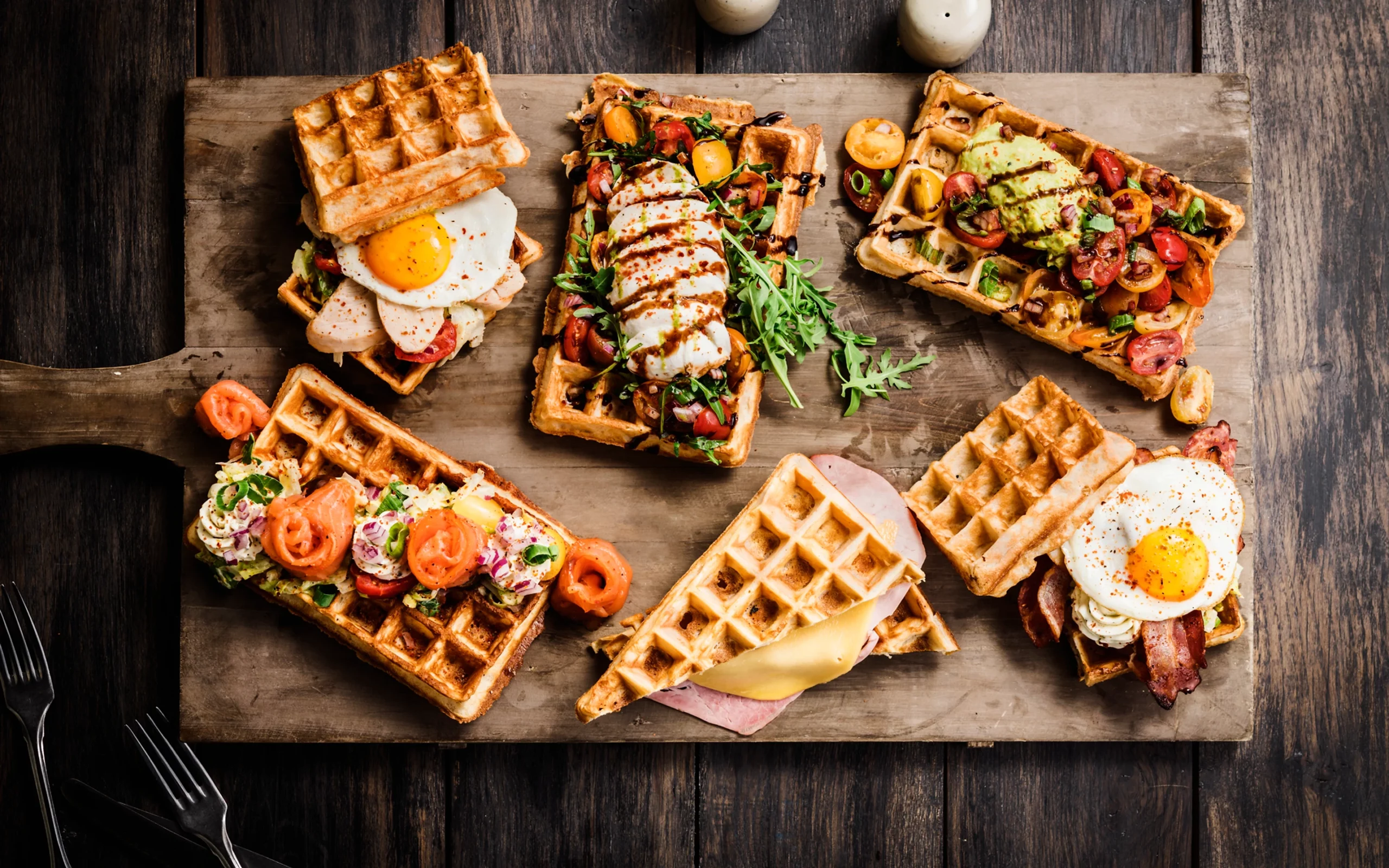
- A Liège waffle with a cortado, the acidity of the coffee catching the sweetness
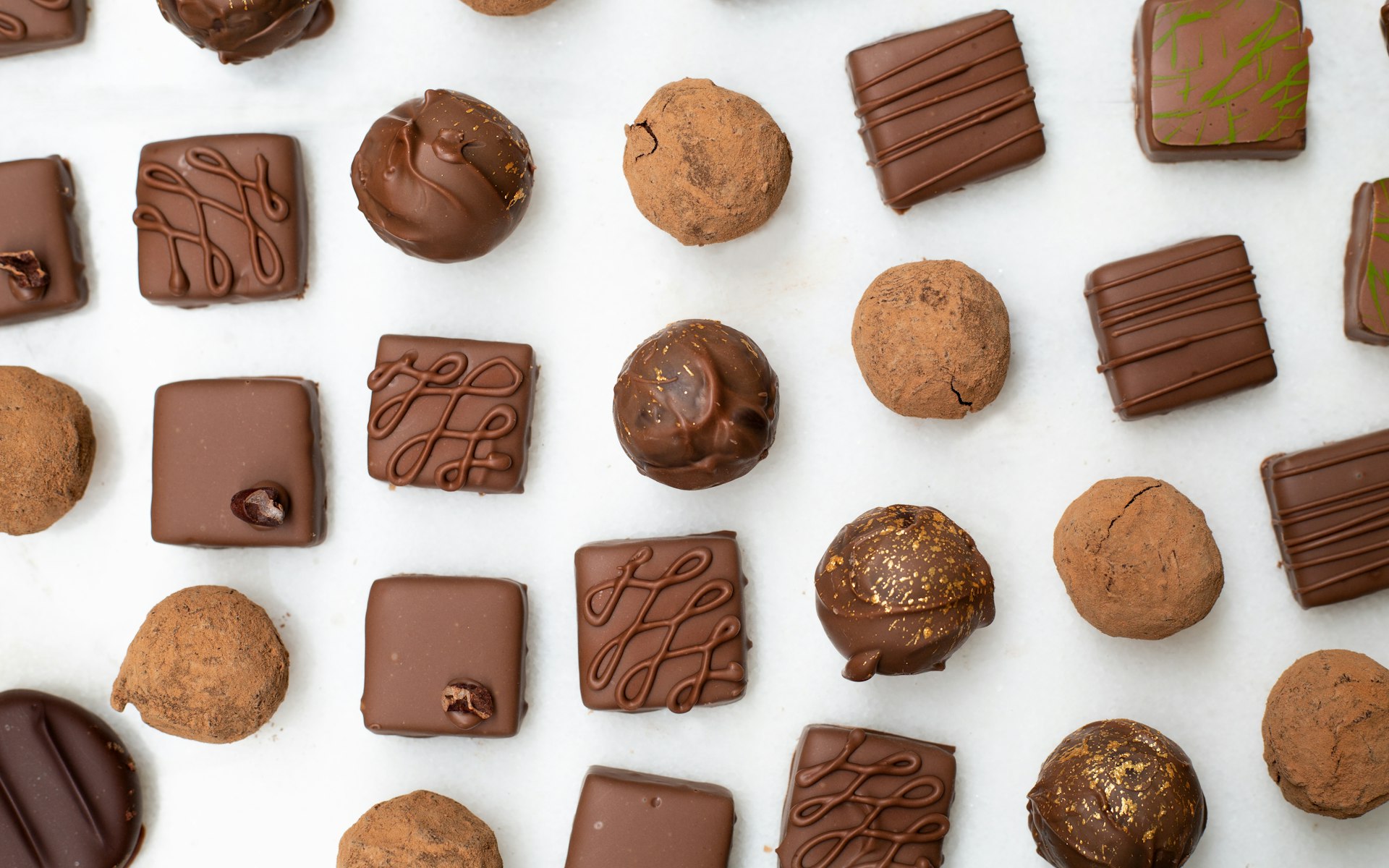
- Pralines with an espresso; choose a dark chocolate of at least seventy percent
- Home-baked cake or tart with a batch brew
Practical information
- Opening hours: most bars open between 8.00 and 9.00 and close between 16.00 and 18.00
- Many places are closed on Monday, some also on Tuesday
- Evening coffee is tricky in Bruges: after 18.00 you depend on restaurants and cafés
- Seating is limited; small bars sometimes have only eight to twelve chairs
- Working on a laptop is not welcome everywhere, especially not during the peak between 10.00 and 13.00; just ask
- Plant-based milk often costs €0.40 to €0.60 extra
- Most specialty bars are cashless
- Tipping is not obligatory; rounding up is customary
What a cup of coffee costs in Bruges
- Standard place on the Markt: coffee €3 to €4, quality variable
- Specialty bar: espresso €2.50 to €3.20, cappuccino €3.50 to €4.50, filter €4 to €5.50
- Coffee in a hotel: €4 to €6
- Beans to take home: €12 to €20 per 250 grams
The price difference between an ordinary and an excellent coffee is often less than a euro.
Concrete addresses to remember
- NUBA Cafe, Oude Burg 10: new specialty place just off the Burg with espresso, filter and cold brew, plus breakfast and lunch; plant-based milk available. Open 9.00 to 17.00, closed on Tuesday and Wednesday.
- Dees Koffiebranders, Hoogstraat 33: micro-roastery and coffee bar in one, with direct-trade beans roasted light on site; espresso and filter, and beans for sale by the bag.
- AVI '38 Specialty Coffeebar, Niklaas Desparsstraat 8: specialty bar just off the Markt, strong in pour-over.
- WE ARE COFFEE MAKERS (formerly Cafuné), Academiestraat 8: small specialty bar with beans from Belgian and European micro-roasters.
- Coffeebar Adriaan, Adriaan Willaertstraat 7: coffee, breakfast and lunch in a neoclassical former bank building from 1832.
- Basiel Urban Greenhouse, Mariastraat 13: coffee bar and plant shop in a converted house near the Gruuthusemuseum, with home-made vegan pastry.
- Kaffee Kamiel, Zilverpand 7: spacious brunch place with all-day breakfast and a car-free courtyard terrace, more for breakfast and lunch than for pure specialty.
A coffee route through Bruges
1. 9.00: espresso at Dees Koffiebranders in the Hoogstraat, standing at the bar 2. 10.00: walk via the Burg to the Oude Burg 3. 10.30: coffee at NUBA Cafe on the Oude Burg 4. 12.00: along the Spiegelrei to the Jan van Eyckplein and the Academiestraat, with lunch by the water 5. 14.00: pour-over at AVI '38 near the Markt 6. 15.30: back to Dees Koffiebranders to buy beans, with advice from the barista
Total distance about three kilometres, budget €20 to €35 per person including a bag of beans.
Getting coffee to take away
Not every place works with takeaway cups, and some bars deliberately refuse disposable cups. If you want coffee to take to the ramparts or the park, it is best to bring your own cup; in some places that even earns you a small discount. An espresso or cortado is better drunk at the bar anyway: in a disposable cup the temperature changes too fast and you lose the crema within minutes.
If you do take a cup along, ask for a slightly shorter milk drink and a lid; most bars take that into account when you say you are going for a walk.
Reading tasting notes on the menu
On a specialty menu every coffee comes with a short flavour description. That is not poetry but an indication of what you are going to taste.
- Berry, citrus, flowers: usually Ethiopian or Kenyan coffee, lightly roasted, with high acidity. Choose filter.
- Chocolate, nut, caramel: mostly Brazil, Colombia or Honduras, rounder and sweeter. Works well as espresso and with milk.
- Red fruit, winey, fermentation: natural processed beans, pronounced and sometimes polarising. Try a small size first.
- Spicy, earthy, tobacco: often Indonesian coffee, full and low in acidity.
The processing method is usually stated too. Washed coffee is bright and clean in flavour, natural is fruitier and heavier, and honey sits in between. If you are drinking specialty for the first time, start with a washed South American bean and work your way towards the fruitier profiles.
Roasters in and around Bruges
Several micro-roasters work in West Flanders and supply the Bruges bars. They roast in small batches of five to fifteen kilos and put date and origin on the bag. Two things are interesting for visitors: you can often buy directly from the roaster, and some roasters give tours or cuppings by appointment, where you taste five to eight coffees side by side following a fixed protocol with a spoon.
- Cupping or tasting: €20 to €40 per person, usually an hour and a half
- Booking: required, groups are small
- Takeaway: most sessions end with a discount on a bag of beans
Making better coffee yourself after your visit
If you want to repeat at home what you tasted in the bar, you do not need an expensive machine. A hand grinder, a scale and a filter holder are enough.
- Ratio: 60 grams of coffee per litre of water, or 18 grams to 300 millilitres
- Water temperature: 92 to 94 degrees, which comes down to boiling water left to stand for thirty seconds
- Grind: coarse as sea salt for filter, fine as icing sugar for espresso
- Brew time: two and a half to three minutes for a pour over
- Water: use filtered water; hard tap water flattens the flavour completely
Always grind just before brewing. Of all the adjustments you can make, a hand grinder delivers the biggest jump in quality.
Frequently asked questions
Stay & ride
Sleep where this story takes place
A central base in the heart of Bruges, with bikes at the door.
Hotel
Hotel Karel de Stoute
Moerstraat, historic centre
A characterful boutique hotel where history meets comfort, in a top location steps from the Markt. Self check-in.
Bike rental
Happy Wheels
Pickup at Moerstraat 23
Italian bikes and e-bikes with GPS routes, from the canals to the coast.
You might also like
Comments (0)
Share your experience
No comments yet. Be the first!